Welcome to ExtremeHW
Welcome to ExtremeHW, register to take part in our community, don't worry this is a simple FREE process that requires minimal information for you to signup.
Registered users can:
- Start new topics and reply to others.
- Show off your PC using our Rig Creator feature.
- Subscribe to topics and forums to get updates.
- Get your own profile page to customize.
- Send personal messages to other members.
- Take advantage of site exclusive features.
- Upgrade to Premium to unlock additional sites features.


Sir Beregond
-
Posts
2,052 -
Joined
-
Last visited
-
Days Won
58 -
Feedback
100%
Content Type
Forums
Store
Events
Gallery
Profiles
Videos
Marketplace
Tutorials
Everything posted by Sir Beregond
-

[Official] EHW Retro - The EHW Retrogaming club
Sir Beregond replied to neurotix's topic in Gaming General
I was not really exposed to gaming much prior to the PS2 era growing up. PS2 probably remains my favorite console and my favorite games were Champions of Norrath and Ace Combat 04. Champions of Norrath makes the list because it showed up after I stopped playing EverQuest on PC. -
Oh I didn't realize. Thanks for the tip.
-
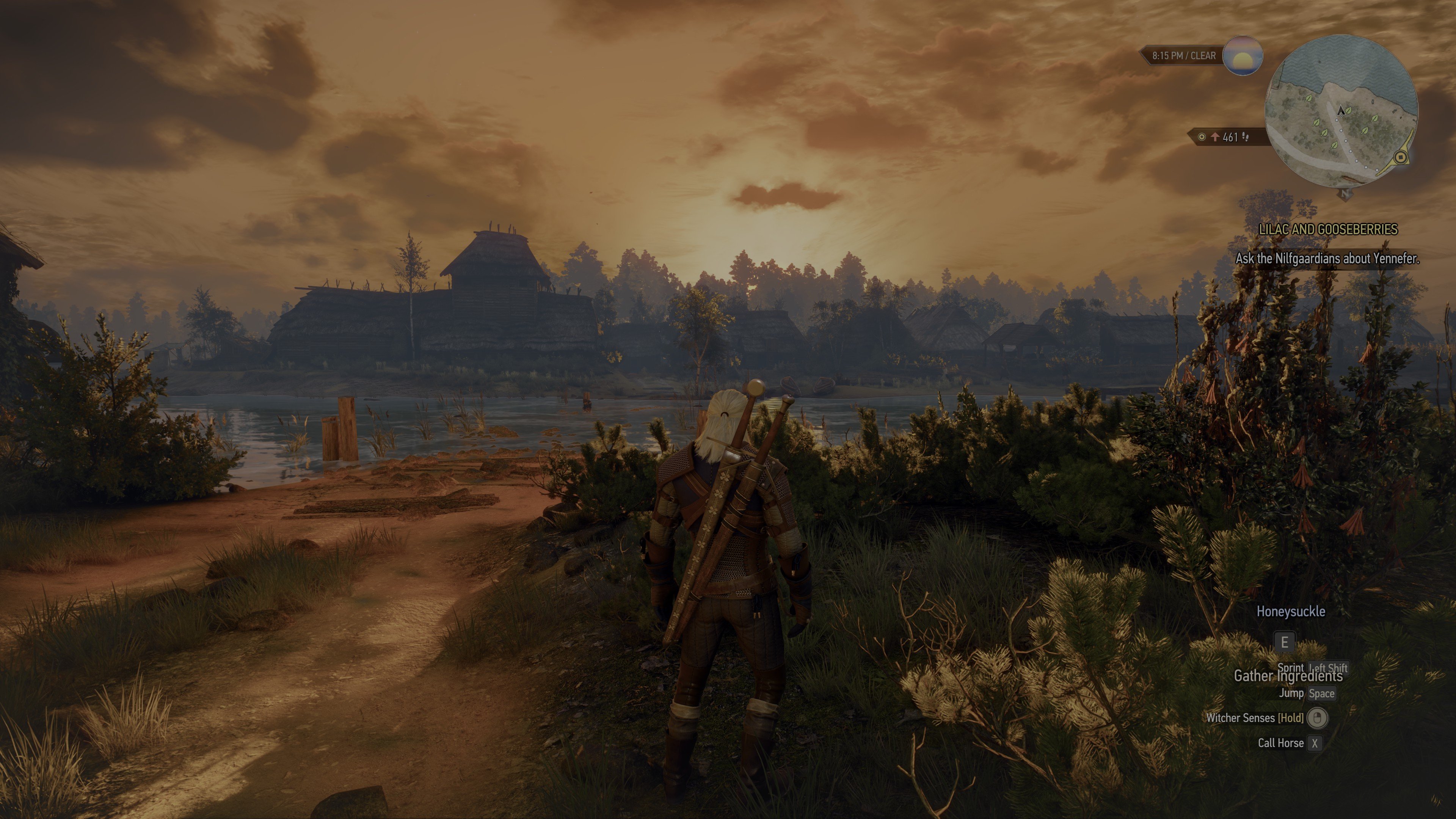
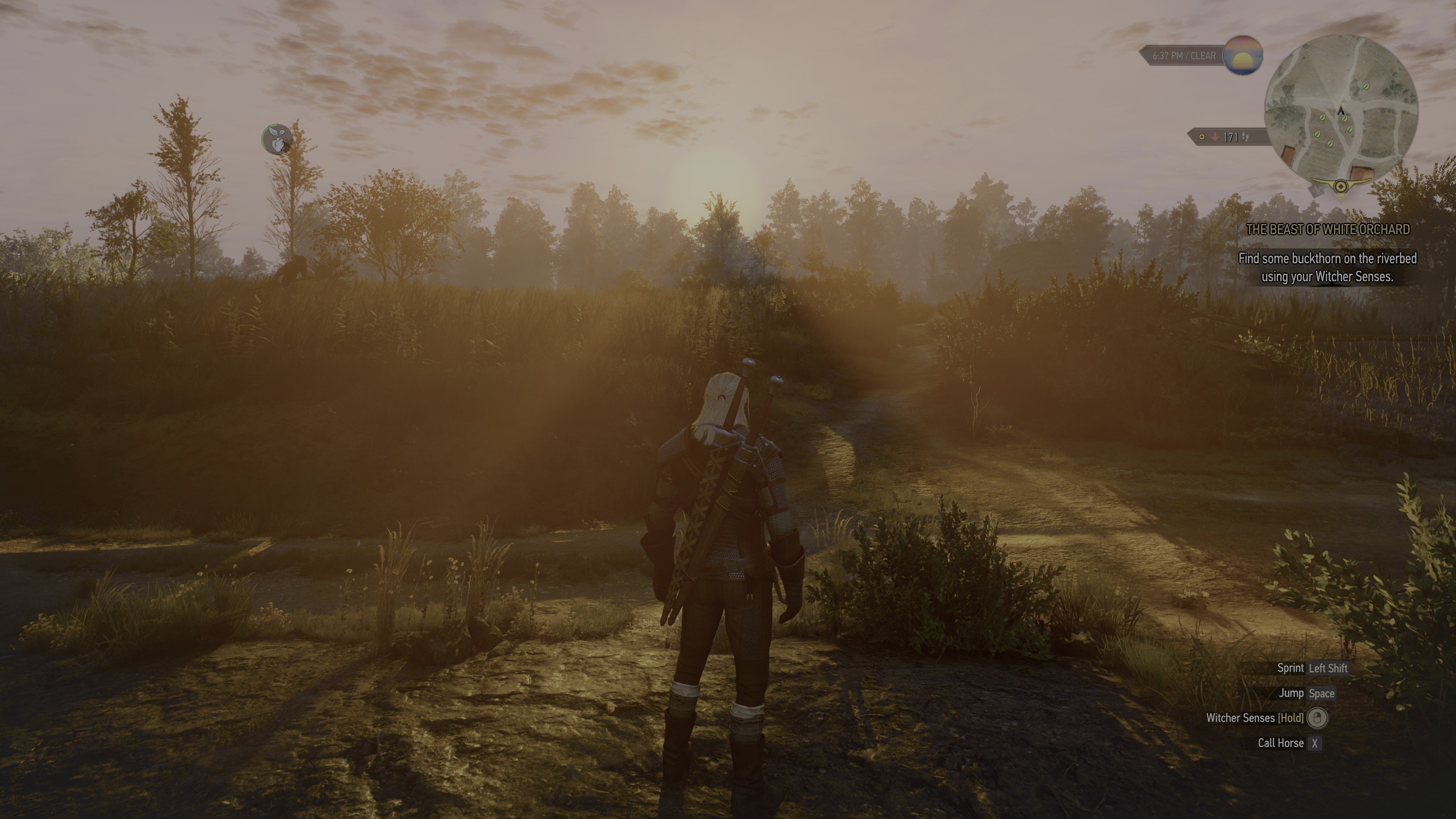
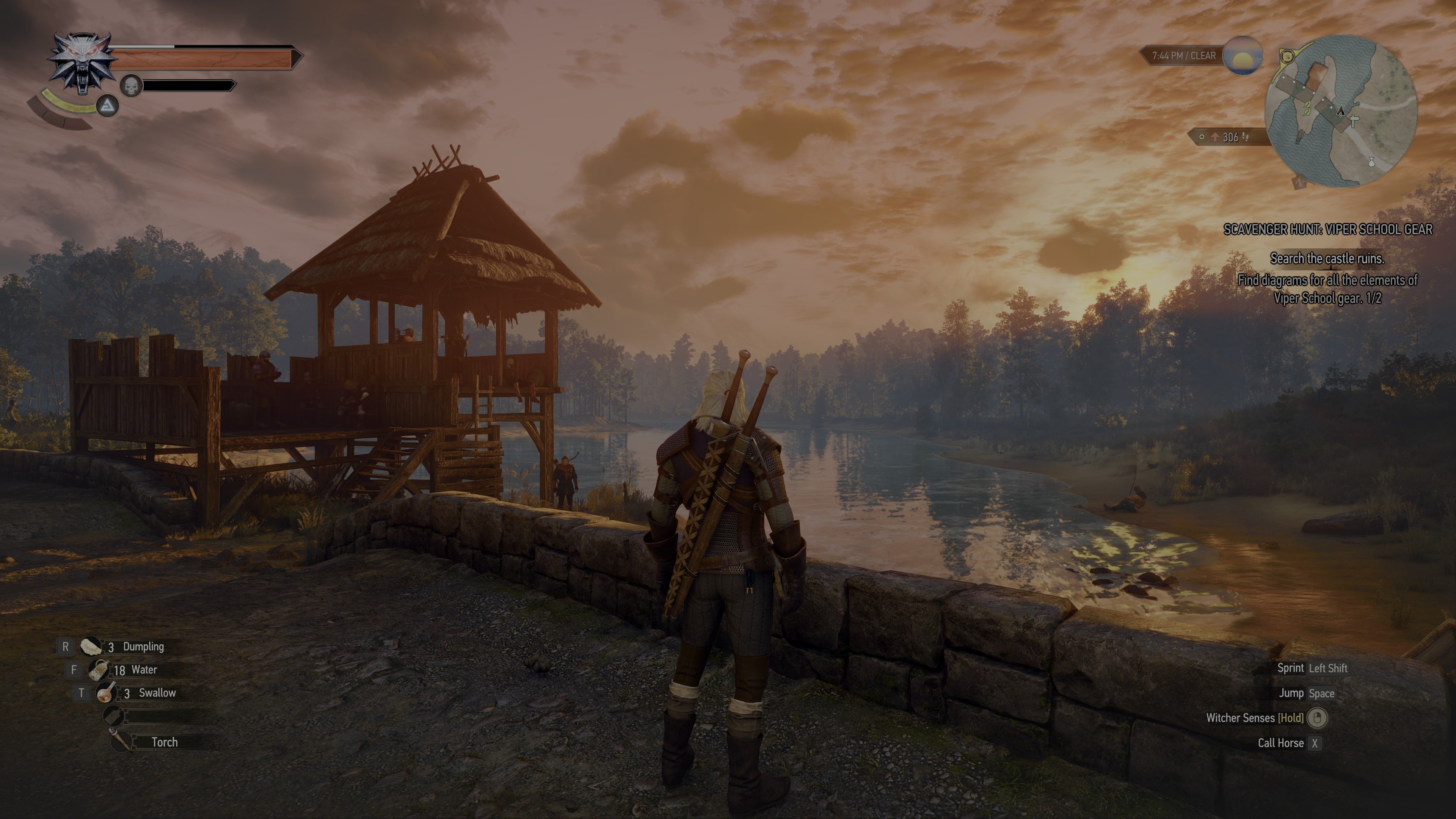
Hmm gotta figure out how to take screenshots on the C1 OLED without it dimming.
-
Been trying the Next Gen update for Witcher 3. Took some customizations in the settings to get it non-stuttery, but so far enjoying it.

-
Or the 2 hours we spent at the ER a couple years ago.
-
Nice! Galaxy? Did you get a HOF?
-
Merry Christmas / Happy Holidays everyone! Looking forward to seeing your shiny new 4090 you steal commandeer from "D'Jango", @The Pook.
-
Multiple rails? What PSU are you using?
-
Bigger issue is AMD was pretty transparent in the RDNA2 announcement and that included comparisons to the competition and for the most part their charts were fairly accurate. Fast forward 2 years and the RDNA3 announcement was quite different. Lot of "up to" performance claims that were one offs, not the average, and so they ended up in a situation that overhyped the 7900XTX and so when it released and average performance was down from what they tried to paint it as, well yeah they blew it. Then all the talks on gen on gen efficiency gains were flat out false. Yeah, they totally botched the launch and the goodwill they built up with gamers following RDNA2. I agree with you on the 7900XTX being a good value card relative to the competition, but it looses a lot to (power efficiency, RT), and frankly I started to see 4080's that sat on shelves at my local Micro Center start selling out after the RDNA3 launch. Also the 7900XT is not good value at all and is definitely overpriced. If we want to talk about how AMD handled expectations, marketing, branding, pricing, performance claims, they did absolutely blow it. Also the cards feel rushed. I get why they did it, but clearly they have issues. It's a botched launch in my mind.
-
Two? No you plug in three or four (depending on card model) 8-pin PCIe into the adapter which converts that to the single 16-pin 12VHPWR. Overclocking, you can literally push 600W+ with these things. If you don't have 4 dedicated 8-pin PCIe cables available from your PSU, may need to upgrade as I don't think running two daisy chained PCIe cables is a good idea (the ones that are two 8-pins on a single cable). Definitely also make sure it is plugged in all the way and try to avoid hard bends if possible.
-
I'm guessing we'll see an RDNA3+ first (think like Zen+ that ironed out some early issues with Zen 1), and then yeah makes sense that RDNA4 then should be hopefully a nice Zen 2 moment for RTG. Problem with AMD is its always the next thing that's supposed to be the big winner. Its too bad really, they won a lot of mindshare with RDNA2, but then blew it with RDNA3.
-
I believe the MSI card does only 3 (lol) 8-pins to 16-pin 12VHPWR while the others are 4. So from an enthusiast perspective probably better with the Gigabyte or Zotac if you are planning to overclock and play with power. @J7SC_Orion has that Gigabyte I believe. As far as warranty, not sure, I've not owned any of these brand GPUs before for an extended period of time. I've heard hit and miss things with each of them over the years, but I couldn't really tell you anything definitively.
-
Makes sense really. You have to think, both Nvidia and AMD have had decades at this point of developing drivers. I just hope Intel sticks to it.
-
Build Log - Sir B's Black/White/Gold O11-Dynamic
Sir Beregond replied to Sir Beregond's topic in Desktop
Yep that trick with the prefetchers and the one to run realtime. Might have to try that performance bias setting. -
Does flashing Vega 56 to 64 unlock 256 TMUs & 4096 shaders?
Sir Beregond replied to HeyItsChris's topic in AMD
I think you are right. 64 has Samsung memory and 56 has either Samsung or Hynix. -
Does flashing Vega 56 to 64 unlock 256 TMUs & 4096 shaders?
Sir Beregond replied to HeyItsChris's topic in AMD
Not really sure, maybe @pioneerisloud would know. I think most were doing it for increased voltage/power limits and to get the clocks of a V64 on the V56. I'm guessing you won't unlock to V64 shader count as they likely were defective / fused off in the binning process that made the chip a 56 vs a 64. -
The used GPU market: What to expect (price analysis)
Sir Beregond replied to UltraMega's topic in Nvidia
Not shocking. 6600 XT has been the go-to 1080p card I think with the 3060 and 3050 being terrible value to performance by comparison. As for higher end, I think the 6800 XT, 6900 XT, 3080 still make the most sense. Anyway, is eBay the only factor in these graphs as far as the "now pricing", because I can get a 6950 XT right now for the same price as a 3080. (in the $700s). -
Build Log - Sir B's Black/White/Gold O11-Dynamic
Sir Beregond replied to Sir Beregond's topic in Desktop
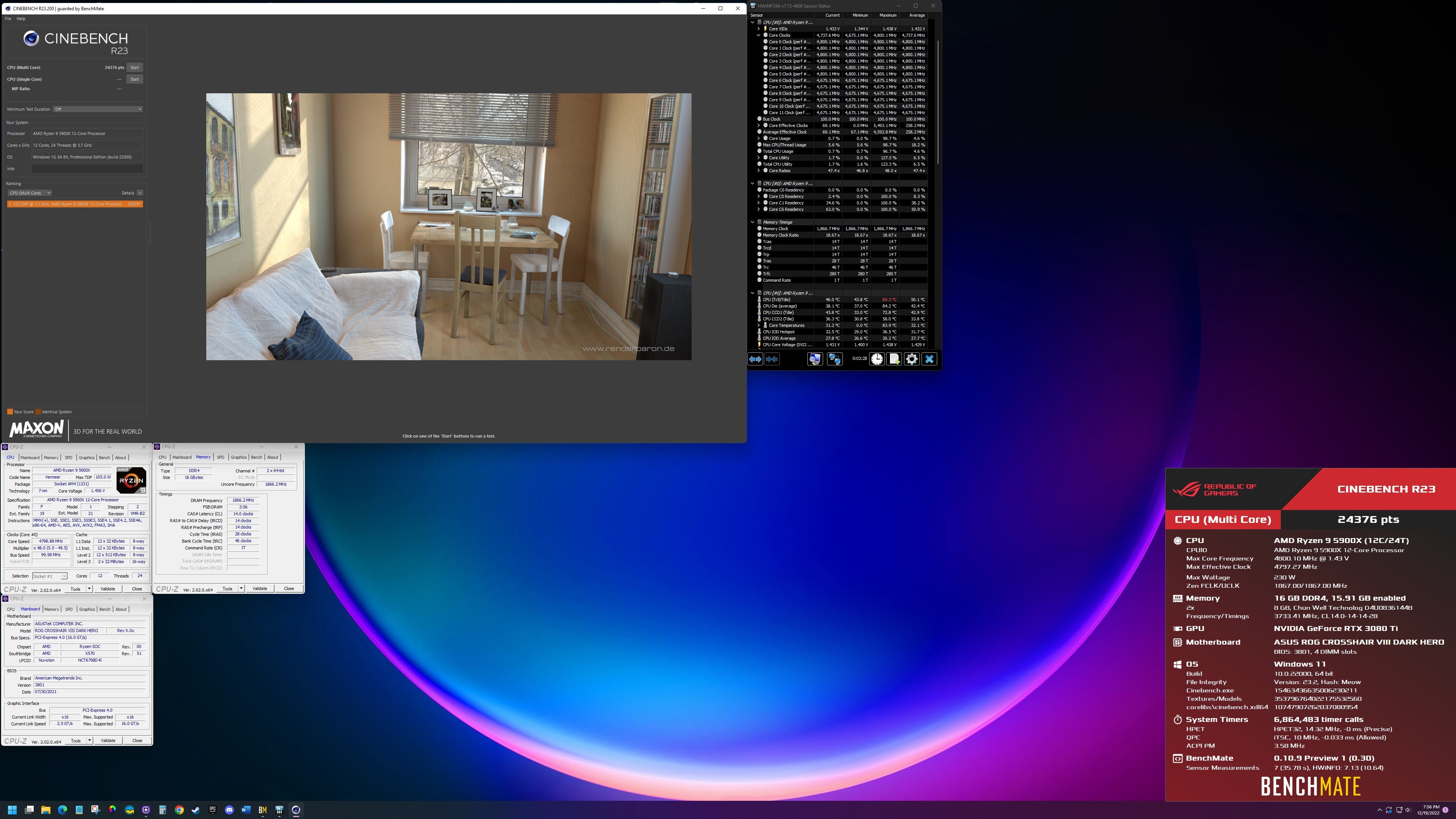
Hadn't heard of this one. Thanks for the tip! Results with 4.8GHz / 4.675GHz @ 1.44v:
-
Build Log - Sir B's Black/White/Gold O11-Dynamic
Sir Beregond replied to Sir Beregond's topic in Desktop
Thank you very much for the advice/tips @neurotix and @The Pook. I was able to do 4.8GHz/4.65GHz on the 5900X at 1.44v and crossed 24k multi-core score for the first time.
-
Build Log - Sir B's Black/White/Gold O11-Dynamic
Sir Beregond replied to Sir Beregond's topic in Desktop
Very nice! I'm about 250 behind then. Were you also trying Dynamic OC mode? -
Nice job @A Zayed!
-
Build Log - Sir B's Black/White/Gold O11-Dynamic
Sir Beregond replied to Sir Beregond's topic in Desktop
Following the tips from @neurotix, I tried some per CCX all-core overclocks. I think I still have a lot of room to work with, hit max temp at about 75C. Here's my last CB R23 multi-core run with CCX0 at 4.75GHz and CCX1 at 4.6GHz under 1.35v. Looked like you hit 23,700ish, what did you end up getting your OC's up to @neurotix? EDIT: Tried again with 4.8GHz and 4.65GHz. Did a bit better.
-
I agree. There was going to always be the segment that buys no matter what. Might as well capitalize on it.
-
That, and have the drivers in a good launch state.
-
Really feels like they launched these too early.